
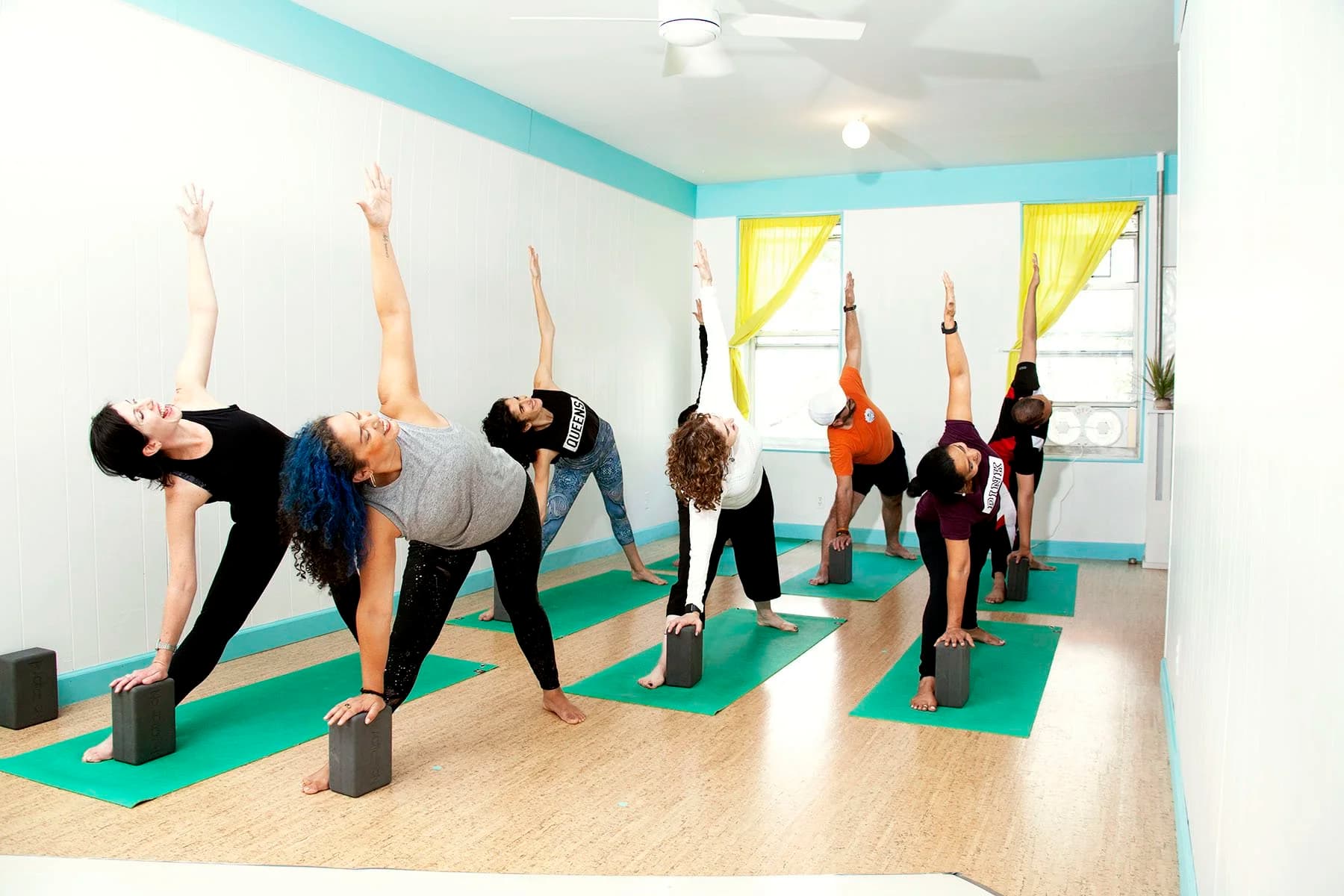
2nd Story Pilates + Yoga
Queens, New York
teen-yogaBeginnerspilates
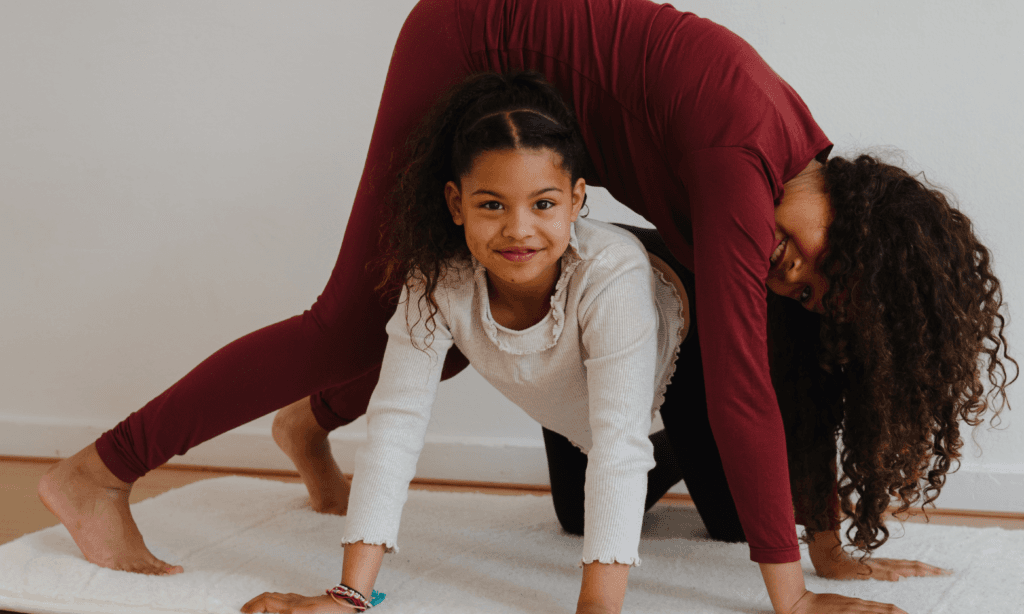
Teen yoga is a dynamic, age-appropriate branch of yoga practice designed specifically for young people navigating the turbulent and transformative years between childhood and adulthood. It blends the timeless wisdom of traditional yoga with approaches tailored to teenage bodies, minds, and emotional realities — and those who discover it often describe it as one of the most grounding, confidence-building experiences of their adolescent lives. Unlike adult classes, teen yoga meets young practitioners exactly where they are: in a world of academic pressure, social comparison, identity exploration, and the kind of restless energy that rarely finds healthy outlets. That combination of movement, breath, and mindfulness creates something genuinely rare for teenagers — a space where they can simply be themselves without judgment or performance.
Queens, New York


River Edge, New Jersey

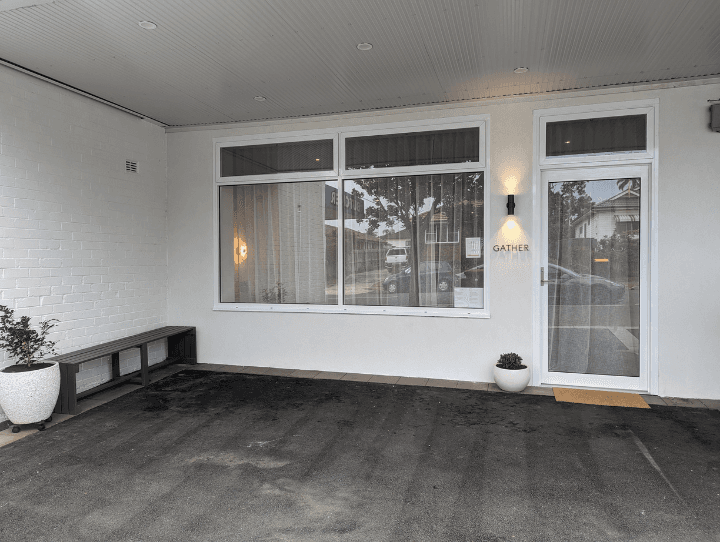
East Corrimal, New South Wales

Sant Martí, Cataluña

Melbourne, VIC
Leading Kids Yoga specialists in Early Learning Centres, Primary and Secondary Schools throughout Melbourne.

Brooklyn, New York

Marseille, Provence-Alpes-Côte d'Azur
Union City, New Jersey
Holland Park, Queensland

Robina, Queensland
Maroochydore, Queensland

Brooklyn, New York
 TRAINING
Learn to bring yoga and mindfulness to children with the Schoolverlichting Opleiding, a specialized ...
Amsterdam, North Holland
RETREATA free week-long retreat in New Jersey designed exclusively for young adults ages 18-40, blending me...
Lafayette, NJ
 TRAINING
Become a Yoga Alliance-certified children's yoga teacher with Lan Lan Yoga's immersive 95-hour onlin...
New York, New York
TRAININGJoin Lan Lan Yoga's 95-hour RCYT certification training September 15 – October 20, 2026 to become a ...
New York, New York
TRAININGStart your children's yoga teaching journey with Lan Lan Yoga's 95-hour RCYT certification, running ...
New York, New York