Bloom Holistic Collective
Toowoomba City, Queensland
Meditationyoga-nidraSound Healing
103 studios offering yin found near Queensland
FindYoga lists 103 yin studios and class providers in Queensland. Browse timetables, compare styles and find the right yin session for your level — whether you're stepping on the mat for the first time or deepening an established practice.
Toowoomba City, Queensland
Eudlo, Queensland
Peregian Beach, Queensland
Forest Glen, Queensland

Marcoola, Queensland
Buderim, Queensland
Maroochydore, Queensland
Buderim, Queensland
Mooloolaba, Queensland
Caloundra West, Queensland
Geebung, Queensland
Ashgrove, Queensland
Grange, Queensland
Sinnamon Park, Queensland
Nundah, Queensland


Nundah, Queensland
Albion, Queensland
Richlands, Queensland
Bulimba, Queensland
Woolloongabba, Queensland
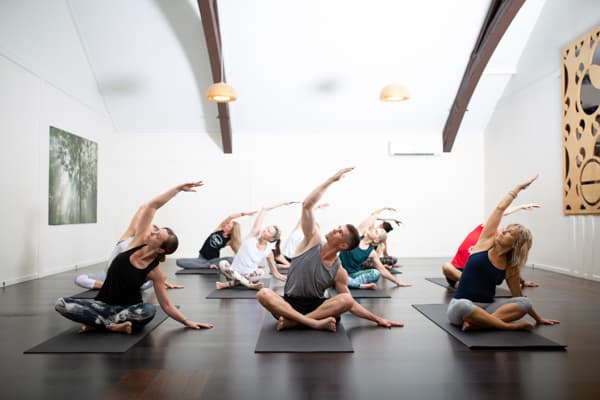
East Brisbane, Queensland
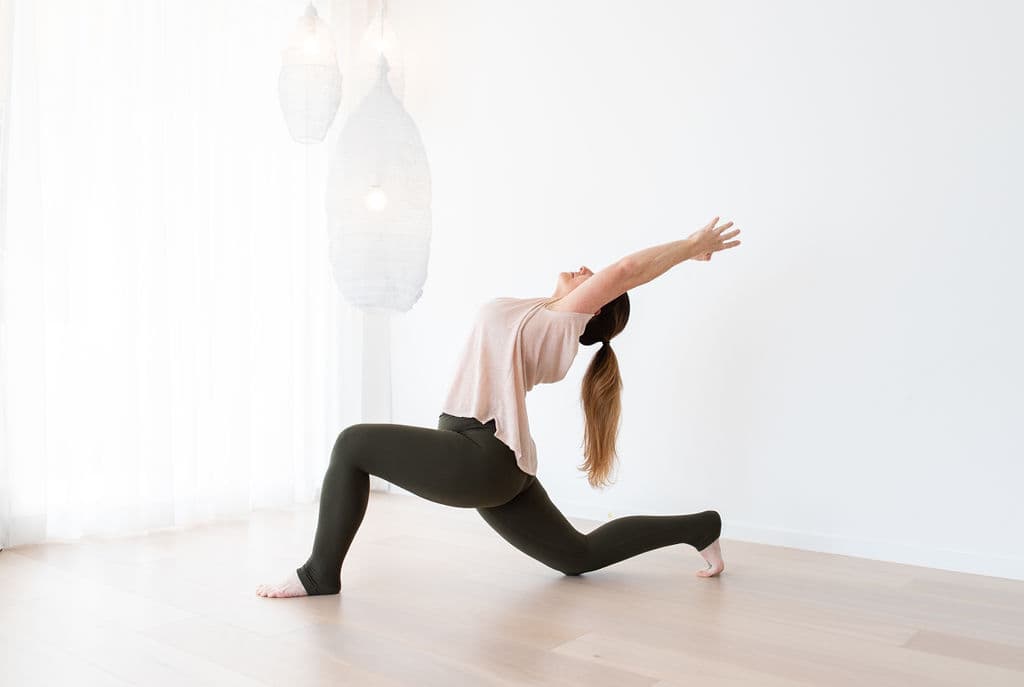
Camp Hill, Queensland
Murarrie, Queensland
Holland Park, Queensland
Yin yoga is a slow, meditative practice that invites students to settle into long-held floor poses, typically staying in each posture for two to five minutes or more. Unlike more dynamic styles of yoga that focus on warming and strengthening the muscles, Yin targets the deeper connective tissues of the body — the fascia, ligaments, tendons, and joints — through gentle, sustained pressure and stillness. People are drawn to Yin for its profound sense of release, both physical and emotional. In a world that rarely asks us to slow down, this practice offers something increasingly rare: permission to simply be still.
Yin yoga as a distinct style was developed in the late 1970s and early 1980s by martial arts expert and Taoist yoga teacher Paulie Zink, whose training in Taoist principles of yin and yang deeply informed the practice. It was later refined and popularized by Paul Grilley, a anatomy teacher and yogi who studied with Zink and went on to develop a more systematic approach grounded in an understanding of skeletal variation and the work of Dr. Hiroshi Motoyama, whose research into the meridian system bridges traditional Chinese medicine and modern physiology. Sarah Powers, a student of Grilley's, further expanded the practice by weaving in Buddhist mindfulness and breathwork, helping Yin reach a global audience. Together, these figures transformed a relatively obscure approach into one of the most widely taught and respected styles in contemporary yoga.
A typical Yin session takes place mostly on the floor, with students moving through a series of poses targeting the hips, pelvis, lower spine, and legs — areas where tension accumulates over time. Props such as bolsters, blocks, and blankets are often used to support the body so that muscles can fully soften, allowing the deeper tissues to respond. The mental dimension of the practice is equally significant; holding poses for extended periods cultivates patience, self-awareness, and a genuine capacity to observe discomfort without reacting to it. Practitioners often report improved flexibility, greater joint mobility, reduced stress and anxiety, and a deepened sense of inner calm that carries well beyond the mat. Yin is particularly well suited for athletes looking to balance more intense training, those recovering from stress or burnout, beginners seeking a gentle entry point into yoga, and anyone who finds stillness more challenging than movement. Whatever brings someone to the mat, Yin has a quiet way of giving them exactly what they need — even when they didn't know they were looking for it.