
Aayaa Yoga
Bali
Meditationyoga-nidraAyurveda
Classical Yoga is the timeless root from which all modern yoga traditions have grown, offering practitioners a path that honors the full depth and integrity of the practice as it was originally conceived. Rooted in the foundational teachings codified by the sage Patanjali in the Yoga Sutras, written around 400 CE, Classical Yoga encompasses the eight-limbed system known as Ashtanga — not to be confused with the modern flow style of the same name — which weaves together ethical principles, physical postures, breath control, sensory withdrawal, concentration, meditation, and ultimately the state of pure awareness. What draws people so powerfully to Classical Yoga is its completeness. Rather than focusing exclusively on the physical body, it treats the human being as a layered and luminous whole, inviting practitioners to move inward as much as they move through postures. Patanjali's influence remains profound, and his concise, poetic sutras continue to serve as a compass for teachers and students across every corner of the globe.
Bali


Middle Park, Victoria
Manhattan, New York

Highton, Victoria
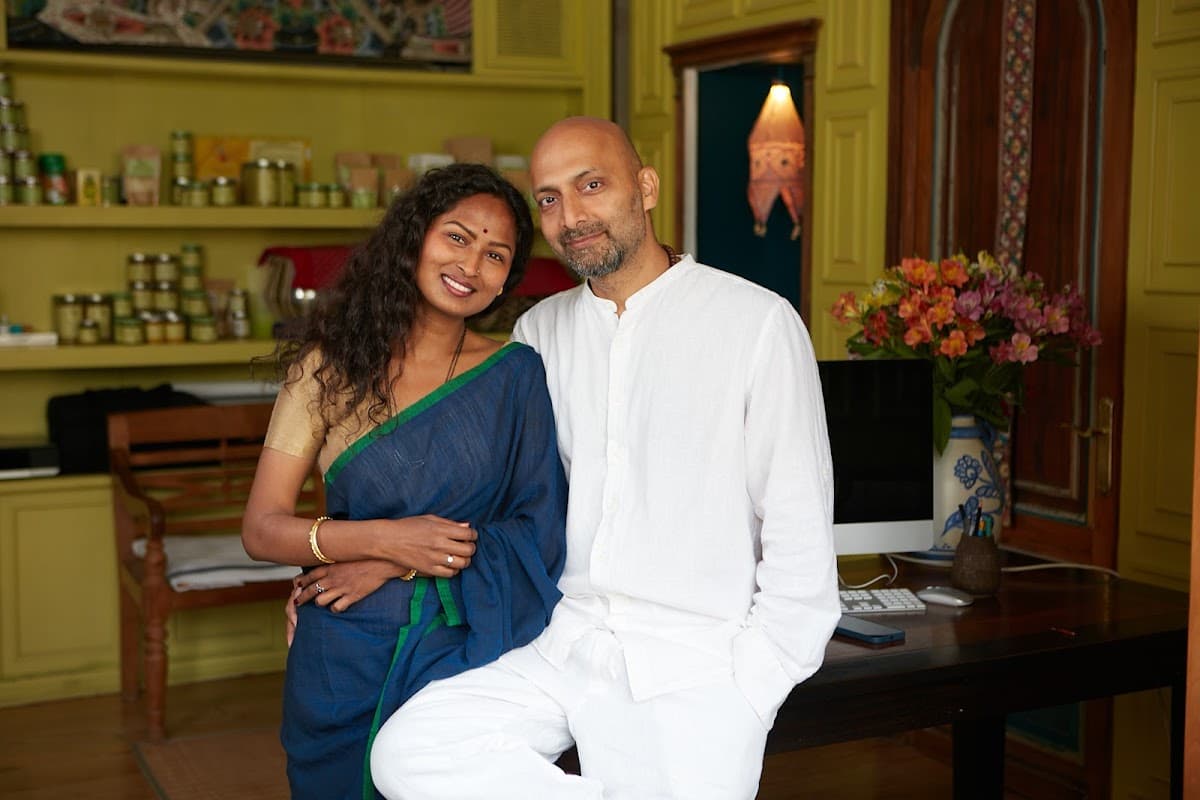
Eixample, Catalunya

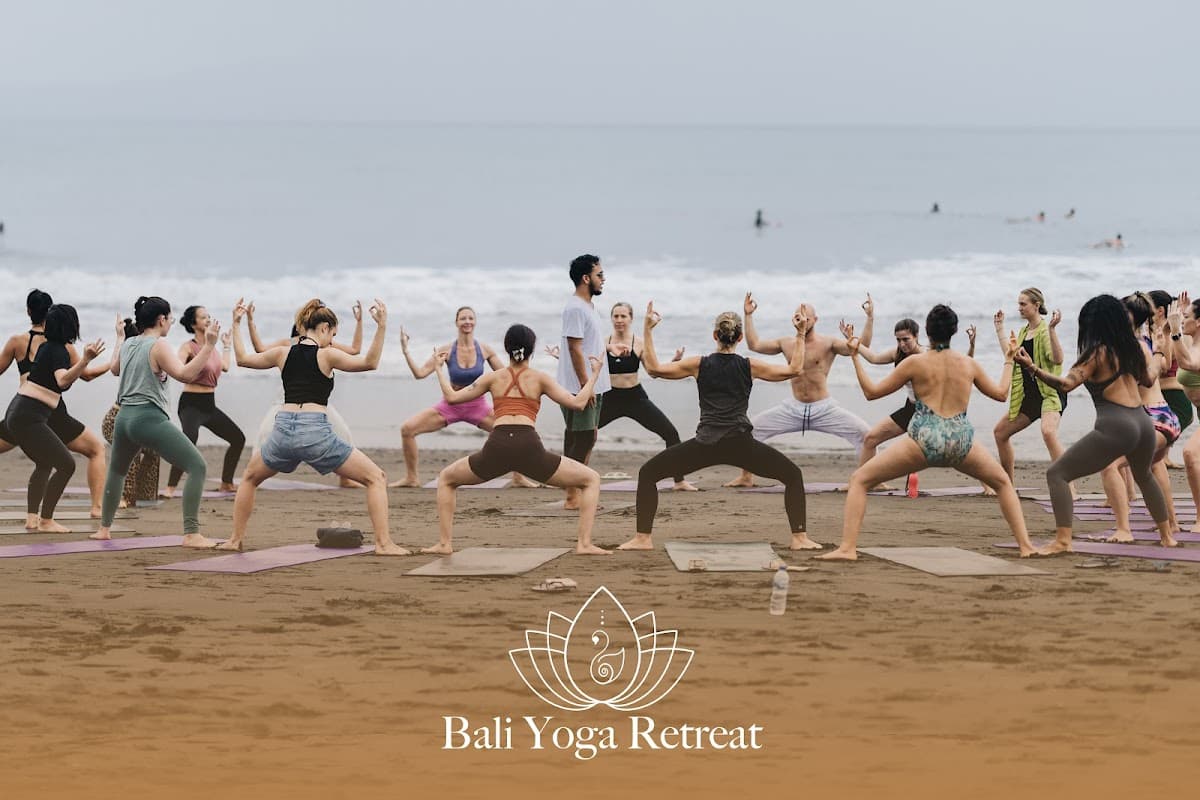
Bali

Bali

Manhattan, New York
Brooklyn, New York
Tambon Nong Pa Khrang, Chang Wat Chiang Mai


Manhattan, New York
Established facility offering a variety of yoga classes & workshops for all experience levels.
Queens, New York
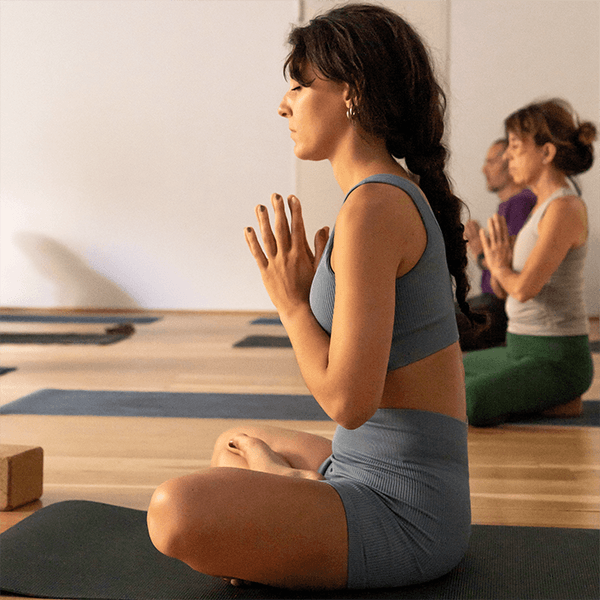 RETREAT
A five-day summer immersion in Hatha Raja Yoga at Yogaia Barcelona led by Carlos Franco, combining i...
Barcelona
 WORKSHOP
Build Your Ayurvedic Kitchen Workshop returns on October 28th at the Away Chiang Mai Wellness Resort...
Chiang Mai
COURSEThis five-day online intensive dives deep into yoga therapy for nervous system healing with expert t...
RETREATExperience profound healing and self-discovery at this five-day Yoga & Ayurveda Retreat in Chiang Ma...
Chiang Mai