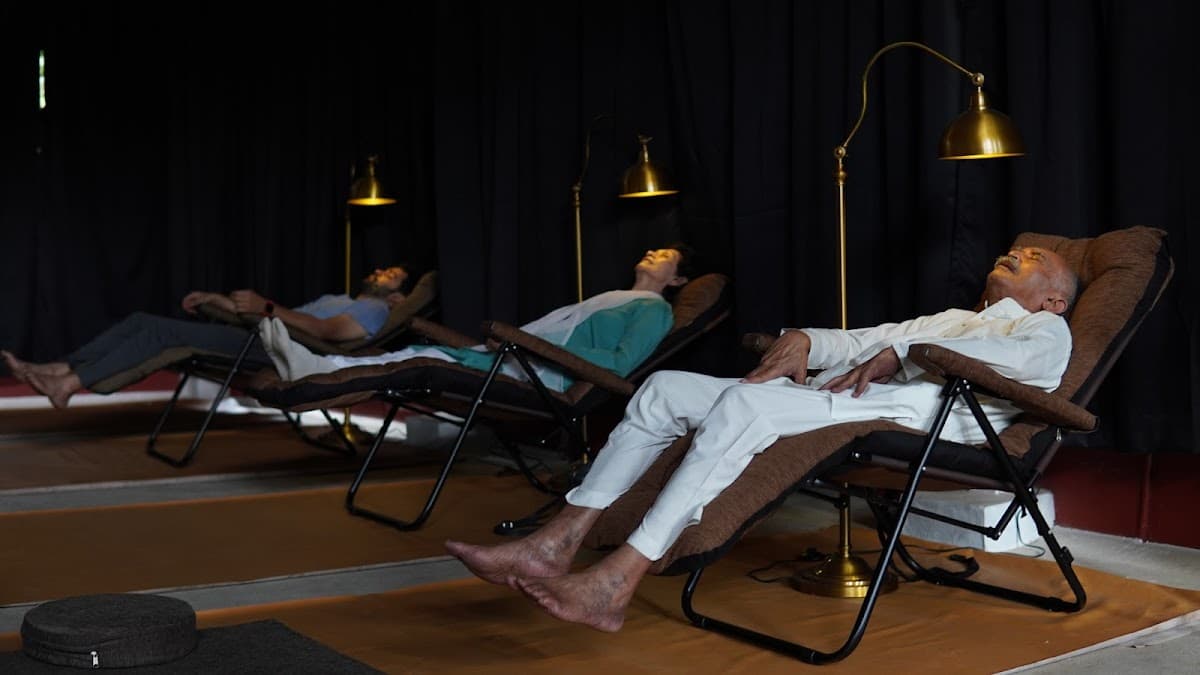

Chanshi Breathwork and Meditation
Kilburn, South Australia
Meditationphilosophyretreat
5 studios offering somatic found within 100km of Adelaide
FindYoga lists 5 somatic studios and class providers in Adelaide and within 100km. Browse timetables, compare styles and find the right somatic session for your level — whether you're stepping on the mat for the first time or deepening an established practice.
Kilburn, South Australia
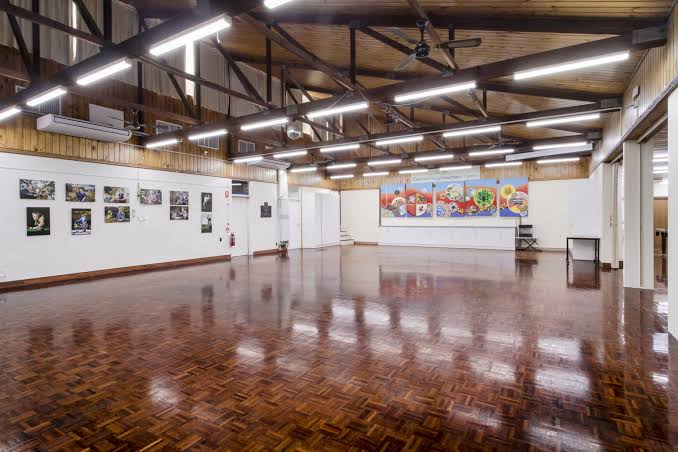
Sturt, South Australia
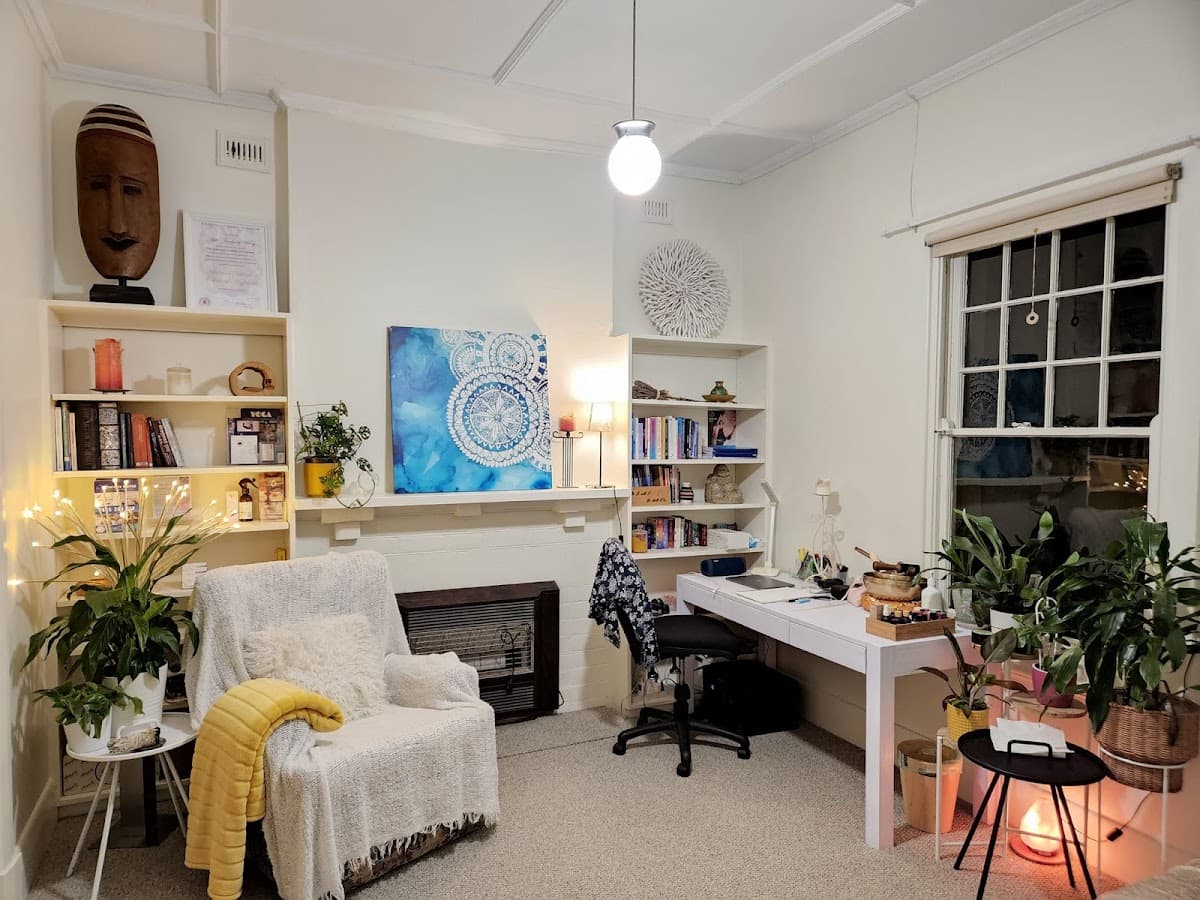
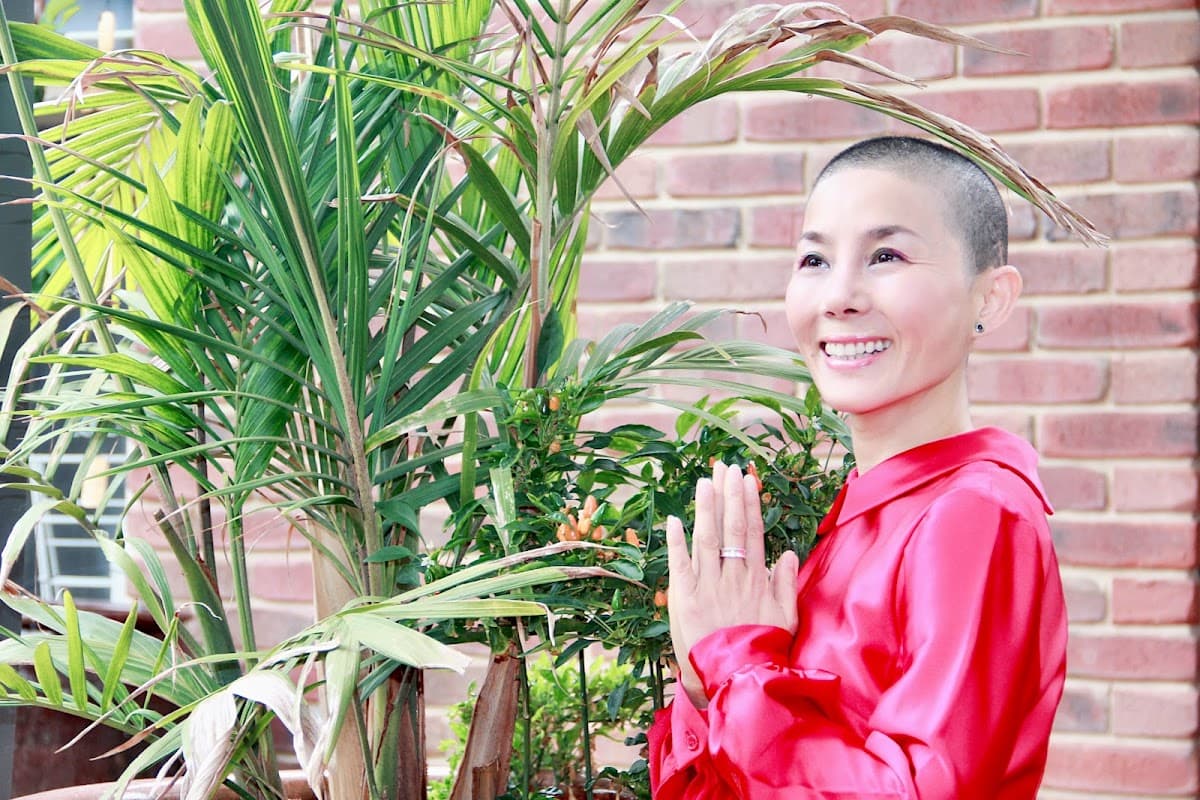
Norton Summit, South Australia
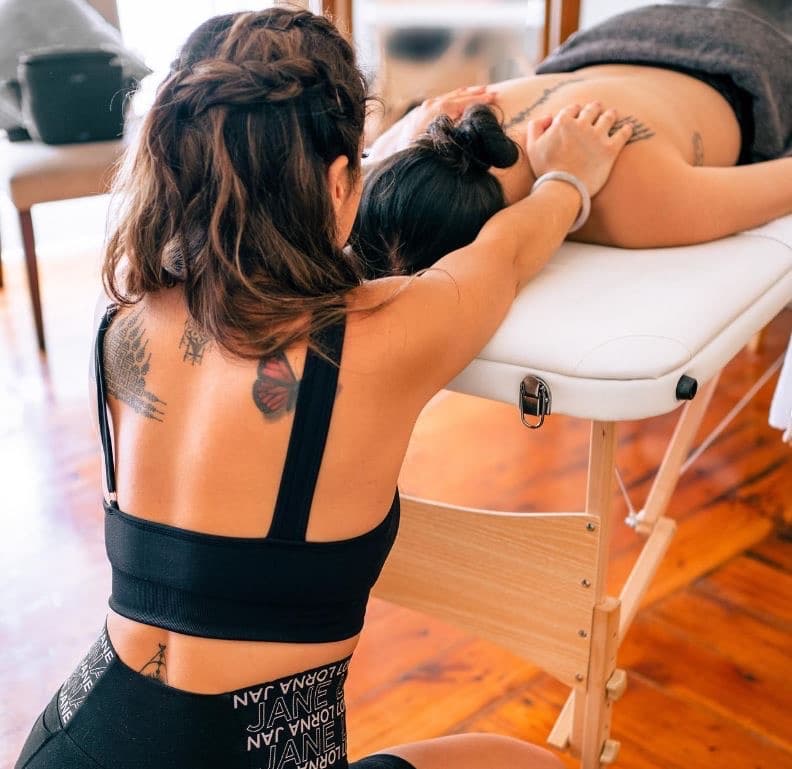

Port Adelaide, South Australia
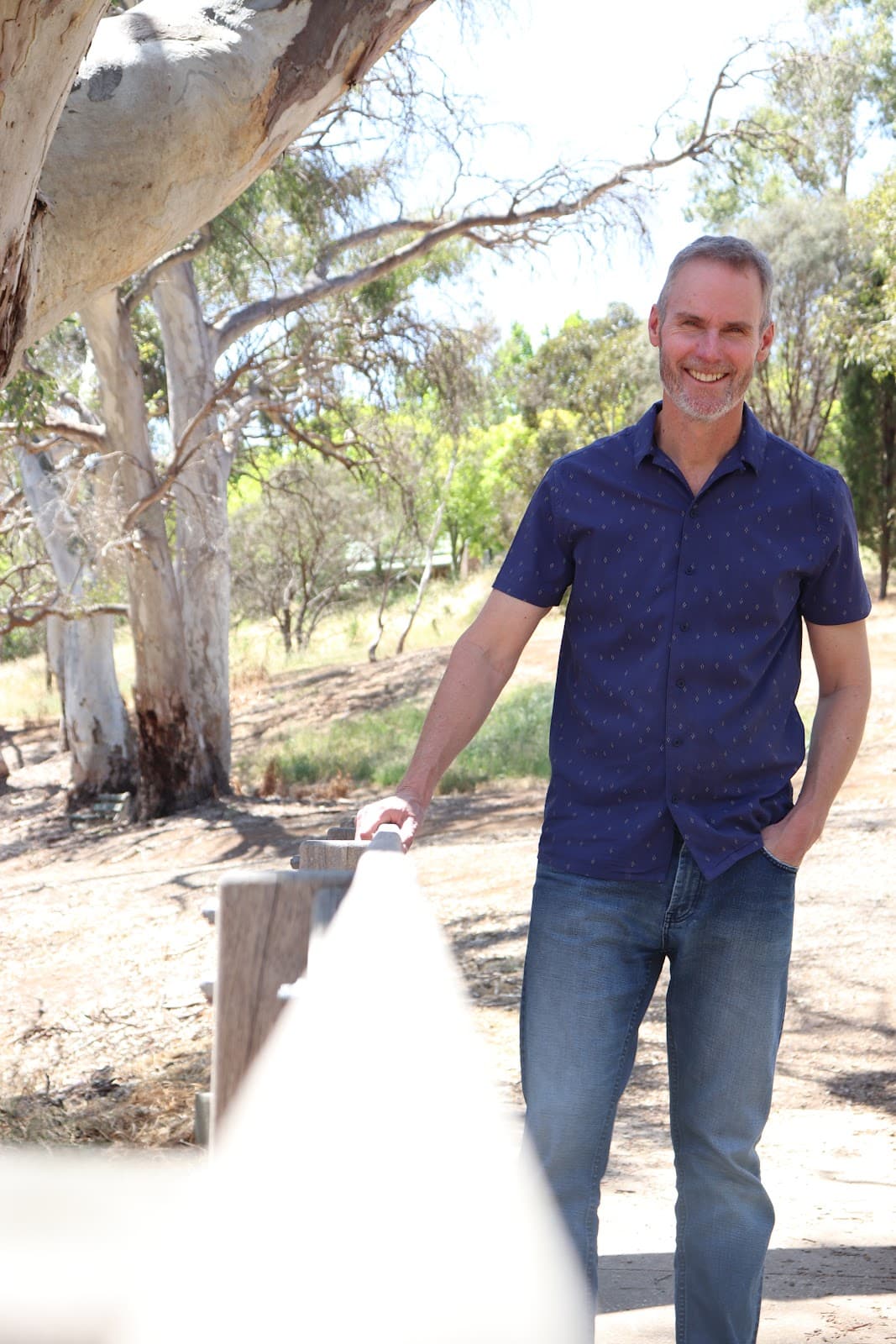
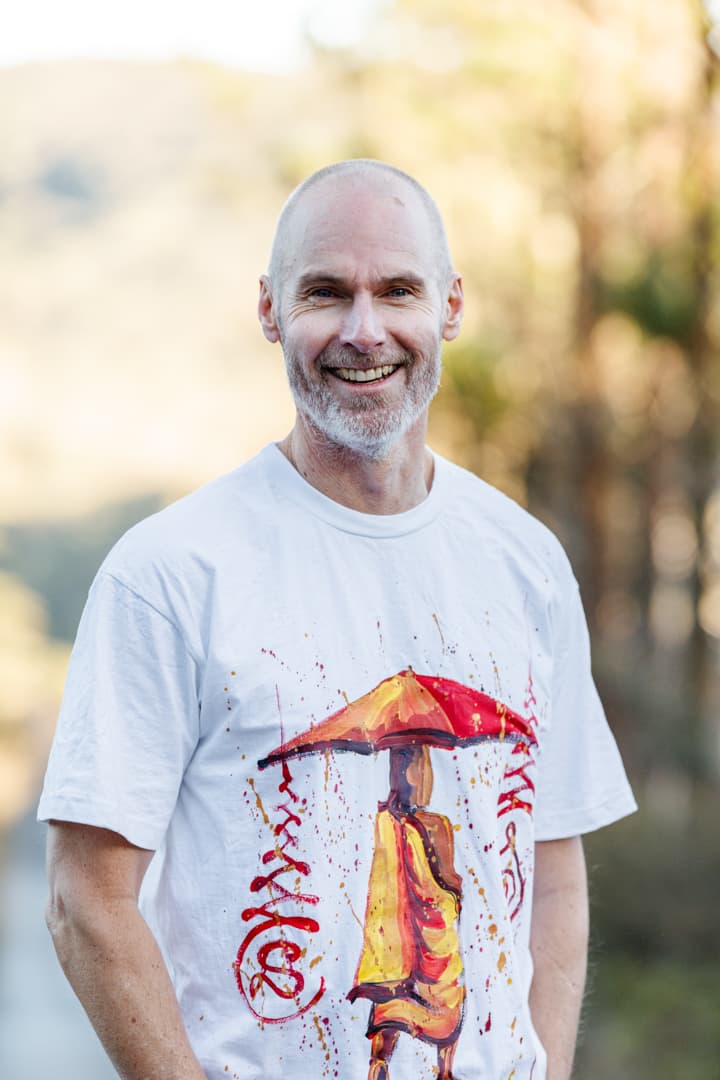
Tea Tree Gully, South Australia
Somatic movement invites people to slow down, turn inward, and listen to the body's most subtle signals — and for those who discover it, the experience can feel nothing short of revelatory. Unlike fitness-focused practices that measure progress through external performance, somatics is rooted in internal awareness. It asks a simple but profound question: what does this movement feel like from the inside? The word itself comes from the Greek "soma," meaning the living body as experienced from within, and that distinction shapes everything about the practice. Students often describe sessions as deeply quieting, as though the nervous system finally gets permission to exhale.
The modern field of somatics emerged largely in the mid-twentieth century through the pioneering work of several independent thinkers. Thomas Hanna, a philosopher and educator, coined the term "somatics" in 1976 and developed Hanna Somatic Education, a method designed to reverse the chronic muscle tension he called "sensory-motor amnesia" — the gradual loss of awareness and voluntary control that accumulates through stress, injury, and repetitive patterns. He drew heavily on the earlier work of Moshe Feldenkrais, whose Feldenkrais Method used gentle, exploratory movement to reorganize the nervous system, and Ida Rolf, whose structural bodywork laid important groundwork for understanding the body as an integrated whole. Together, these founders helped establish that healing and self-knowledge are inseparable. Within the broader yoga and wellness world, somatic principles have since woven into trauma-informed yoga, restorative practices, and movement therapy, making them increasingly visible on studio schedules everywhere.
A typical somatic session unfolds at an unhurried pace and may involve slow, deliberate movements on the floor, guided body scans, breath awareness, or mindful attention to how tension holds in specific areas of the body. There are no poses to achieve and no benchmarks to meet — the entire orientation is toward sensing rather than performing. This makes somatics especially valuable for people recovering from chronic pain, injury, trauma, or burnout, as well as for anyone who feels disconnected from their body or stuck in habitual holding patterns. Athletes and longtime yoga practitioners often find it revelatory precisely because it reveals layers of tension that more vigorous practices can overlook. Older adults appreciate its accessibility and gentleness, while those navigating anxiety or stress frequently report lasting shifts in how calm and at home they feel in their own skin. Somatics offers no dramatic transformation promised overnight — instead, it offers something rarer: a genuine and enduring relationship with the body you already have.