
Canberra Yoga Space
13 Botany Street, Phillip, Australian Capital Territory
Connect, Revitalise, Create
druPrenatalMeditation
82 studios offering philosophy found near Canberra
FindYoga lists 82 philosophy studios and class providers in Canberra. Browse timetables, compare styles and find the right philosophy session for your level — whether you're stepping on the mat for the first time or deepening an established practice.
13 Botany Street, Phillip, Australian Capital Territory
Connect, Revitalise, Create

40 MacFarland Street, Chifley, Australian Capital Territory
Choosing the right yoga school to train with is a big decision and will shape your entire career as a yoga teacher. Since 1985 we have trained thousands of Dru Yoga teachers worldwide.

Bulli, New South Wales
Sutherland, New South Wales
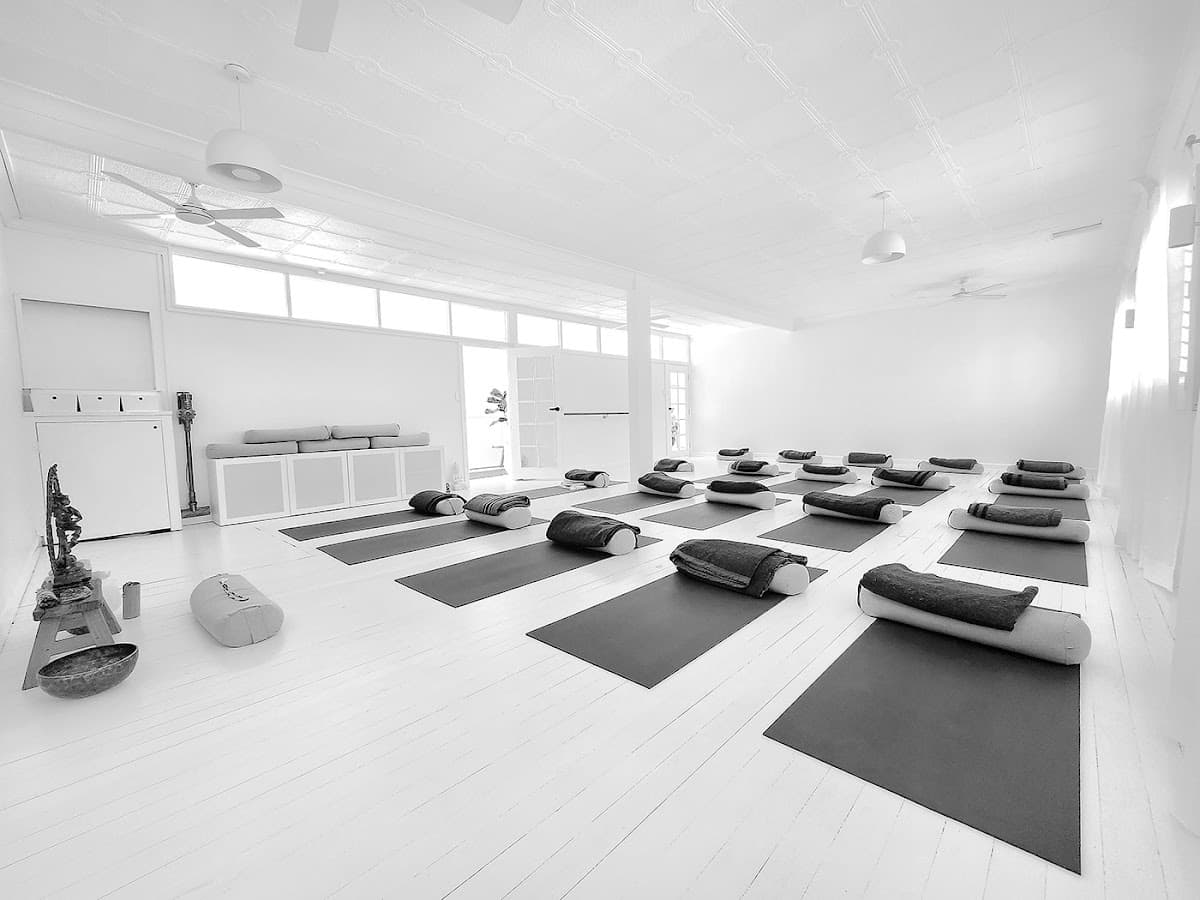
Gymea, New South Wales
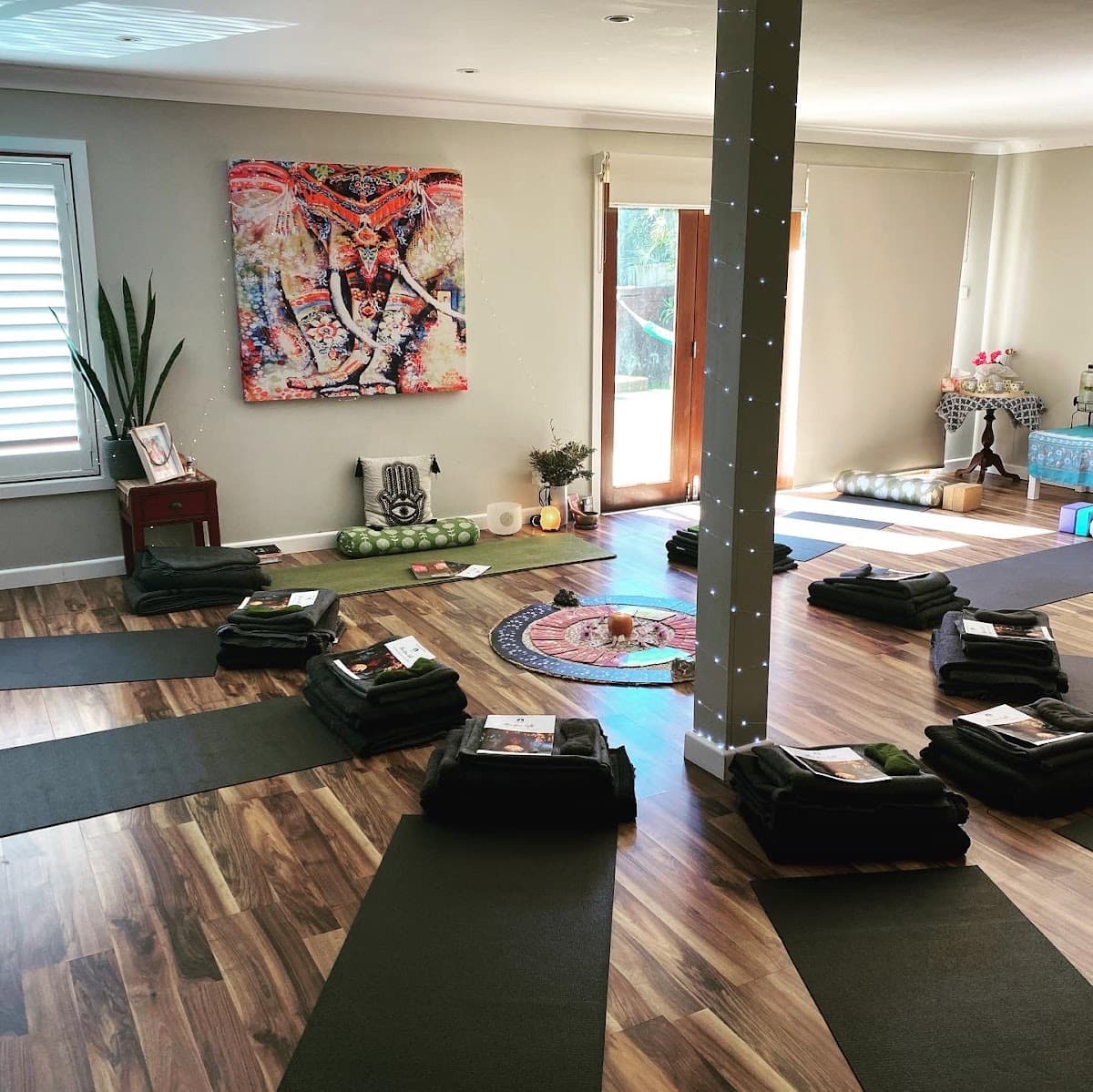
Jannali, New South Wales
Cronulla, New South Wales
Taren Point, New South Wales
Ramsgate Beach, New South Wales
Earlwood, New South Wales

Baulkham Hills, New South Wales
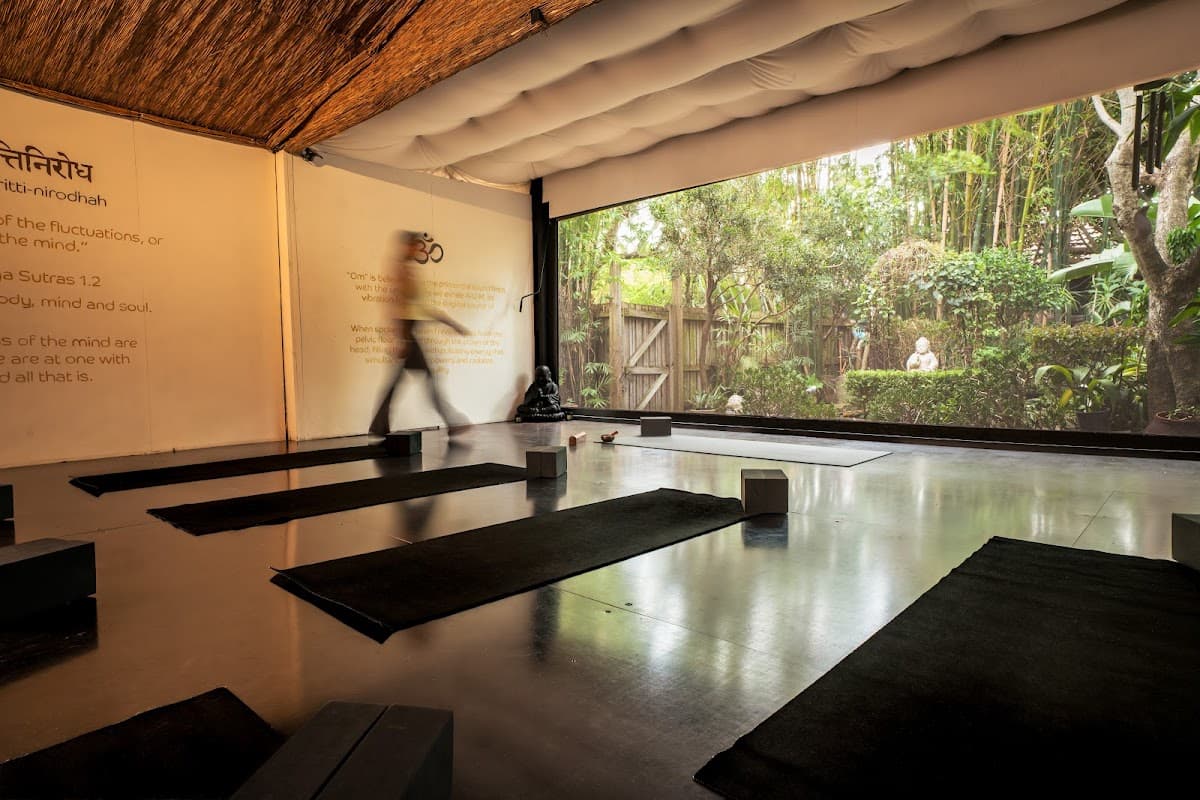
Botany, New South Wales
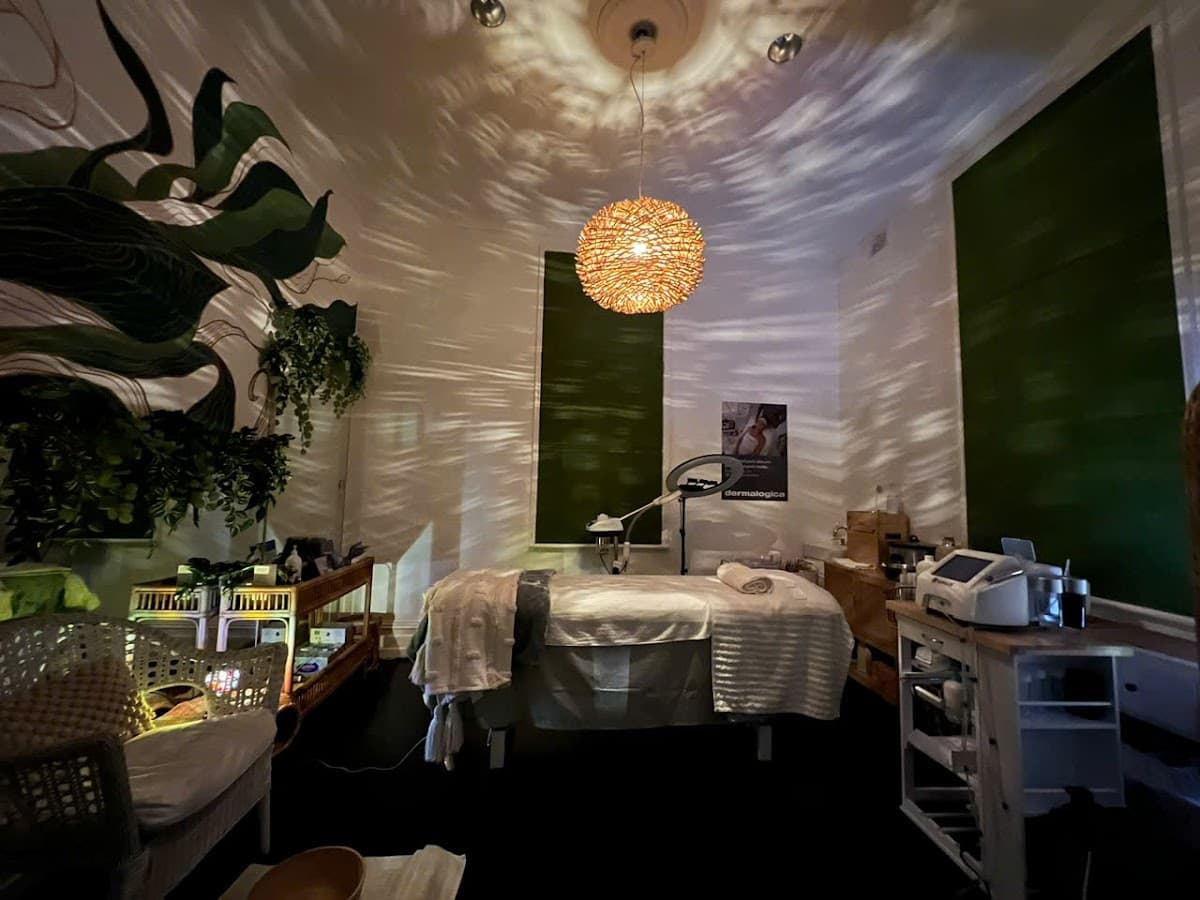
Petersham, New South Wales
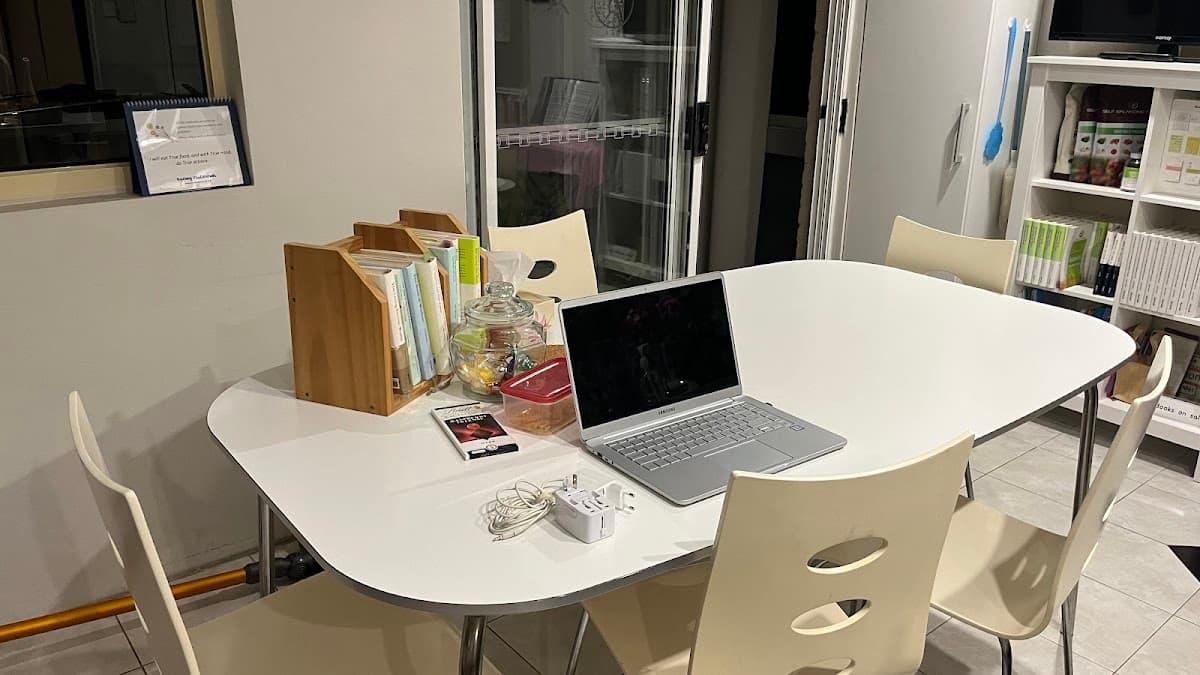

Rhodes, New South Wales

Stanmore, New South Wales
Newtown, New South Wales
Russell Lea, New South Wales
Matraville, New South Wales

Newtown, New South Wales
Castle Hill, New South Wales
Maroubra, New South Wales
Glebe, New South Wales
Redfern, New South Wales
Surry Hills, New South Wales
Philosophy has captivated human minds for thousands of years, and within the yoga world it serves as the invisible thread that weaves every pose, every breath, and every moment of stillness into something far greater than physical exercise. At its heart, yogic philosophy is a living tradition — a vast, luminous body of wisdom that helps practitioners understand the nature of the self, the mind, and the universe. People are drawn to it not because it offers easy answers, but because it asks the most beautiful and honest questions: Who am I? Why do I suffer? How can I live with more clarity, compassion, and freedom? When students begin to explore philosophy alongside their physical practice, they often describe a profound shift — as though the lights have come on in a room they have been moving through in the dark.
The roots of yogic philosophy stretch back more than 2,500 years, with foundational texts including the Vedas, the Upanishads, the Bhagavad Gita, and perhaps most influentially, Patanjali's Yoga Sutras, composed somewhere between 400 BCE and 400 CE. Patanjali is often considered the father of classical yoga philosophy, having organized centuries of oral wisdom into 196 concise aphorisms that map the entire journey of the human mind toward liberation. Later traditions built upon and enriched this foundation — Advaita Vedanta, Tantra, Samkhya, and Buddhist philosophy each contributing distinct and fascinating lenses. In more recent centuries, teachers such as Swami Vivekananda and Sri Aurobindo brought yogic philosophy to Western audiences, while scholars and practitioners like Georg Feuerstein dedicated lifetimes to translating and contextualizing these teachings for the modern world.
A session focused on yoga philosophy might take the form of a guided lecture, a group discussion, a close reading of a sacred text, or a reflective practice that pairs philosophical concepts with meditation and journaling. Students leave with more than intellectual knowledge — they carry with them practical tools for navigating stress, relationships, grief, and the relentless noise of contemporary life. The study of ethics through the yamas and niyamas, for instance, offers a gentle but transformative framework for daily living. Philosophy is beautifully suited for anyone who senses that yoga is more than stretching, for long-term practitioners ready to deepen their understanding, for those navigating a major life transition, or simply for the perpetually curious soul who finds meaning in reflection. Whatever brings someone to the cushion or the page, the tradition meets them exactly where they are — and gently, brilliantly, invites them to go further.