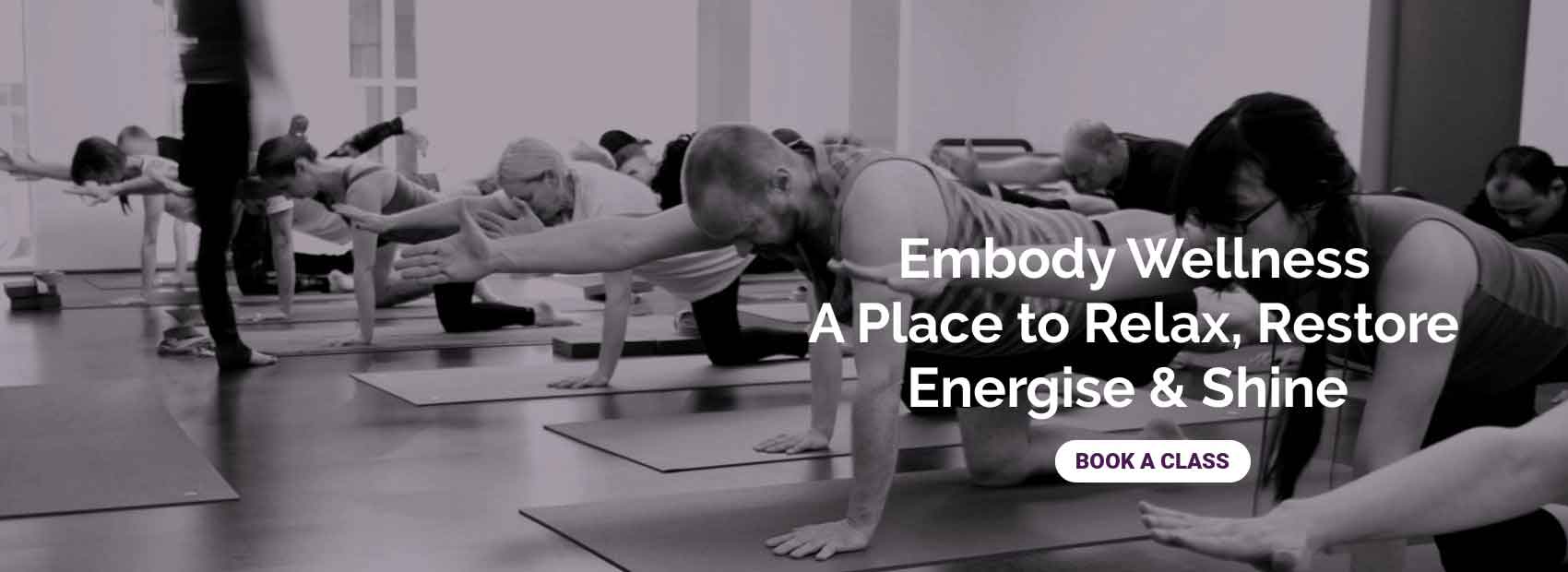
Men's yoga is a growing movement within the broader world of yoga that speaks directly to male practitioners — honouring their physiology, their common patterns of tension, and often their initial hesitation about stepping onto the mat. While yoga itself has no gender, men's yoga classes create a dedicated space where tightness in the hips, hamstrings, and shoulders is the norm rather than the exception, and where the competitive instinct is gently redirected inward. Men who discover these classes frequently describe a turning point — a shift from viewing yoga as something foreign to recognising it as one of the most demanding and rewarding physical practices they have encountered. The camaraderie of a room full of people at a similar starting point dissolves self-consciousness quickly, and what begins as curiosity often becomes a cornerstone of weekly life.
Historically, yoga was in fact a predominantly male practice for much of its early existence. Ancient texts and lineages, from the Hatha Yoga Pradipika to the teachings passed through the great Indian ashrams, were largely taught by and to men. It was only through the twentieth century, as yoga travelled westward, that its demographic shifted dramatically. Figures such as B.K.S. Iyengar and K. Pattabhi Jois brought rigorous, physically demanding systems to global audiences, attracting athletes and soldiers alongside spiritual seekers. In more recent decades, teachers and advocates have deliberately reintroduced yoga to men who might otherwise never consider it — drawing in rugby players, weightlifters, office workers, and veterans alike.
A typical men's yoga session tends to prioritise functional mobility, breathwork, and strength alongside flexibility, making the practice feel immediately purposeful. Expect targeted work on the hips, thoracic spine, and hamstrings — the areas where men most commonly store chronic tension — woven together with standing poses that build stability and focus. The mental benefits are equally significant: regular practice has been shown to reduce cortisol levels, improve sleep quality, support emotional regulation, and provide a rare pocket of genuine stillness in an otherwise fast-paced day. Sessions range from vigorous flows that leave practitioners thoroughly worked to slower, more restorative practices that rebuild the nervous system. Men's yoga is particularly well suited to those returning from injury, athletes looking to complement training, anyone managing stress or anxiety, or simply those who want a more welcoming entry point into yoga without preconception. Whatever the reason for arriving, the mat has a way of making it worthwhile — and for many men, that first class quietly changes everything.




&w=3840&q=75)