Integral yoga is a holistic, deeply meditative practice that invites students to experience yoga not merely as a physical discipline, but as a complete path toward inner harmony and self-realization. Rooted in the belief that body, mind, and spirit are inseparable aspects of a single whole, this approach weaves together asana, pranayama, deep relaxation, chanting, and meditation into one cohesive experience. People are drawn to integral yoga because it offers something rare in the modern fitness landscape — a genuine slowing down, a turning inward, and a sense of profound peace that lingers long after the mat has been rolled up.
The tradition was brought to the West by Sri Swami Satchidananda, an Indian spiritual teacher and student of the revered Swami Sivananda of Rishikesh. Satchidananda arrived in New York City in 1966, quickly becoming an influential figure in American spiritual life and famously opening the legendary Woodstock festival in 1969 with a message of peace and unity. He founded the Integral Yoga Institute and spent decades teaching that the goal of yoga is not the perfection of postures, but the cultivation of a steady, comfortable body, a serene mind, and a compassionate heart. His emphasis on integration — synthesizing multiple branches of classical yoga into daily practice — gave this style its name and its enduring philosophy.
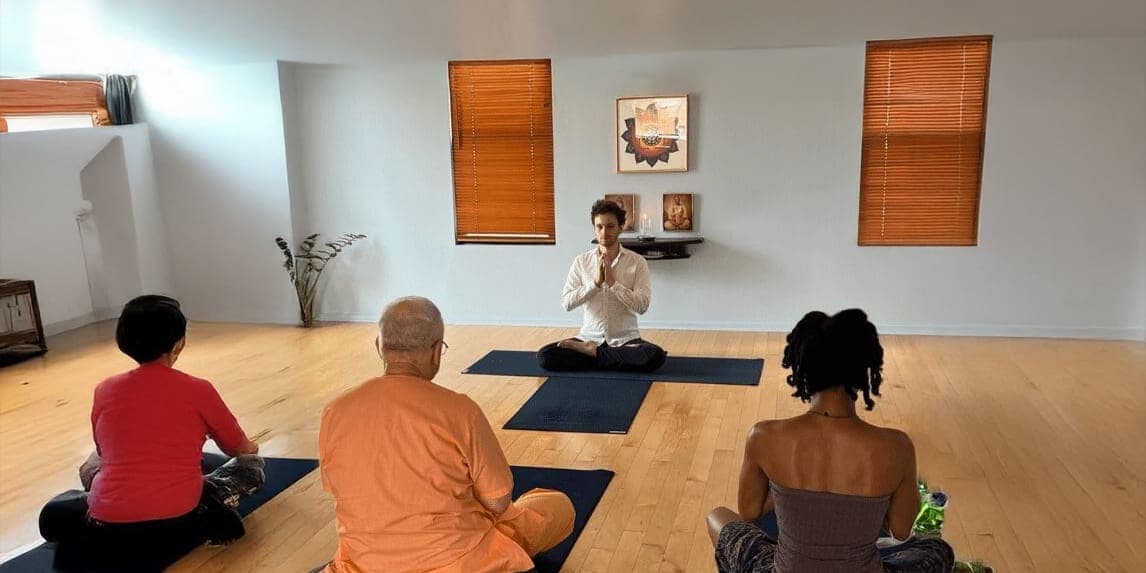
A typical integral yoga class moves at a gentle, unhurried pace, guiding students through a structured sequence of supported postures, conscious breathwork, and extended periods of deep relaxation and silent meditation. The physical postures are held rather than flowed between, encouraging awareness and ease over effort and ambition. Sessions often conclude with yoga nidra, a guided relaxation that leaves practitioners feeling thoroughly restored. The cumulative benefits are both physical and mental: improved flexibility, deeper breathing, reduced stress, greater emotional resilience, and a quiet clarity of mind that practitioners often describe as transformative. Because the practice places no premium on athletic ability or prior yoga experience, it is beautifully suited to beginners, older adults, those managing chronic stress or illness, and anyone seeking a contemplative counterbalance to a demanding life. It is also a meaningful deepening practice for experienced yogis who feel called to explore the philosophical dimensions of their path.
For anyone ready to discover what yoga looks like when it is treated as a complete way of living rather than simply a workout, integral yoga offers an extraordinarily rich and rewarding place to begin.